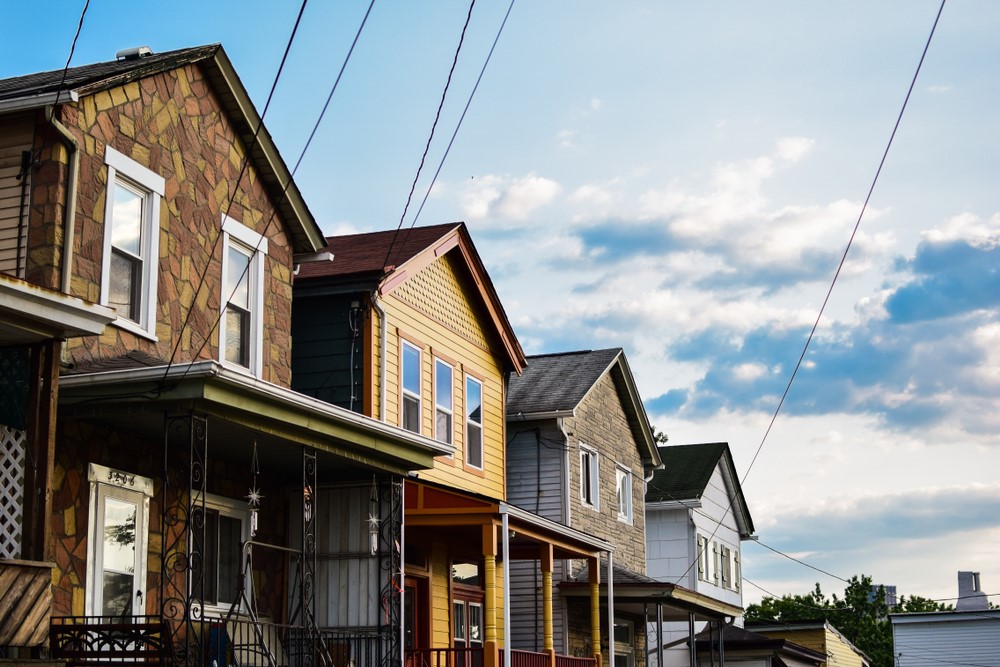
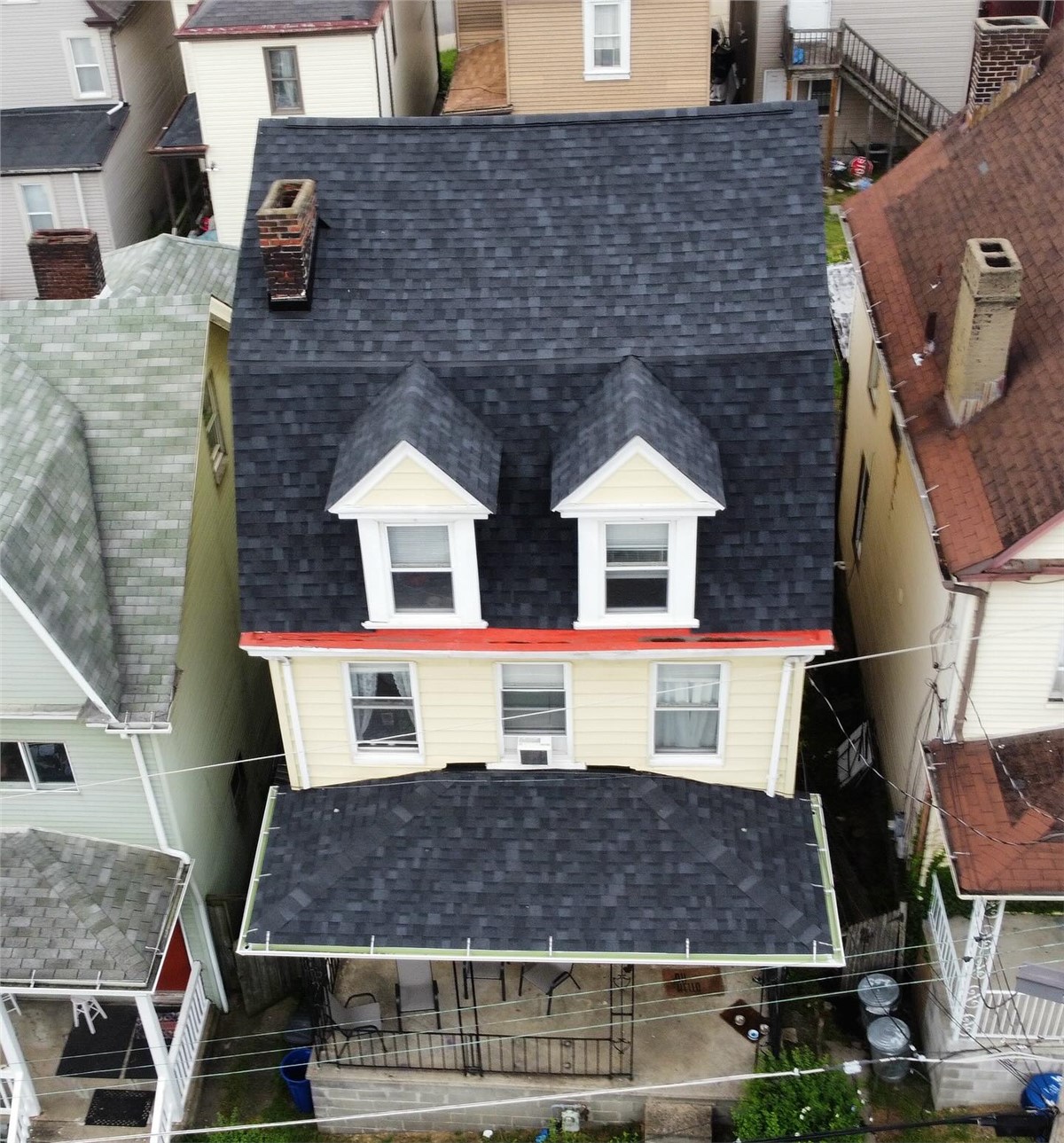
Was your home in Pittsburgh built sometime between 1990 and the early 2000s? Roofing systems erected in this timeframe are now turning 20—30 years old, which is typically the end of projected lifespans for roofing materials installed during this time period.
While there are many common symptoms that most aging roofs share, Pittsburgh homes built during the 1990s and early 2000s may experience a few problems more specific to the region and era, especially nowadays, as they begin to reach the end of their lifecycle.
Evans Roofing & Gutters is a trusted Pittsburgh roofing company that provides area homeowners with everything from meaningful roof repairs to comprehensive roof replacements. Below, we discuss the types of roof damage and deterioration that your 1990s or early 2000s home may start showing if it hasn't already!
Outdated & Inefficient Ventilation
Across the nation, homes that were constructed in the 1990s and early 2000s frequently experience issues with roof ventilation. Roofing systems built in this time period typically utilized less efficient box or gable vents, rather than the soffit-and-ridge systems relied on today, which are able to more evenly balance airflow throughout a home.
Because of this, another ventilation-related issue that affects many homes in Pittsburgh is the formation of ice dams. During the winter, an improperly-ventilated roof may be constantly freezing and thawing, leading to moisture accumulation at the roofline. This moisture can turn into ice dams, which can cause many different forms of damage, like:
- Detached Gutters
- Damaged Soffit & Fascia
- Water Leaks in Attic
- Water-Logged Insulation
- Damaged Drywall
- Mold or Mildew Growth
Worn-Out Flashing and Shingles
If your Steel City house was built in the 1990s or early 2000s, another issue that may have you scheduling Pittsburgh roof repairs is worn-out materials. Advances in technology are happening continuously, and the roofing industry is no exception—shingles, flashing, and other materials that get manufactured today are engineered to resist elements like high winds, rainfall, and hail more easily than materials that were made 30 years ago. Some of the most common problems include:
- Shingles: Improper nailing techniques were often used in the 1990s, which could mean your shingles become curled from high winds. In Pittsburgh, shingles often become blistered due to trapped moisture, typically on south-facing slopes.
- Flashing: Flashing from the 1990s was most commonly sealed with asphalt-based products, which weren't very weather-resistant. Today, homeowners may notice loosened flashing around vents, chimneys, and skylights.
- Underlayment: Instead of the synthetic underlayment used today, most homes from 30 years ago had felt paper underlayment installed, which was far less waterproof or durable.
Persistent Moss and Algae Growth
Because of the constant humidity in Pittsburgh, homes in the area are much more susceptible to extensive moss and algae growth than in other regions of the United States. In small amounts, these organisms are relatively harmless and can be gently scrubbed away. But with lingering dampness in the air, Pittsburgh homeowners may have difficulty keeping vegetation growth at bay, which could lead to wood rot underneath, including rafters and decking.
For professional help maintaining high-functioning Pittsburgh gutters and roofing systems, get in touch with our crew at Evans Roofing & Gutters. We have over 30 years of combined experience on our team, and partner with GAF for our materials. GAF roofing products are designed to offer unparalleled wind and algae resistance and come with some of the industry's strongest warranty options, leading to reliable performances and decades-long lifespans. Reach out to us today to learn more and to receive a free quote on our roofing services!
Subscribe to Evans Roofing & Gutters's Blog




Comments